

In the rapidly growing battery manufacturing industry, cylindrical cell assembly machines play a pivotal role in ensuring high-quality, efficient, and scalable production of batteries used in everything from electric vehicles (EVs) to portable electronics. These machines automate the complex process of cylindrical cell production, providing manufacturers with several key benefits. Let's take a closer look at the core features of cylindrical cell assembly machines and the advantages they offer to manufacturers.
What is a Cylindrical Cell Assembly Machine?
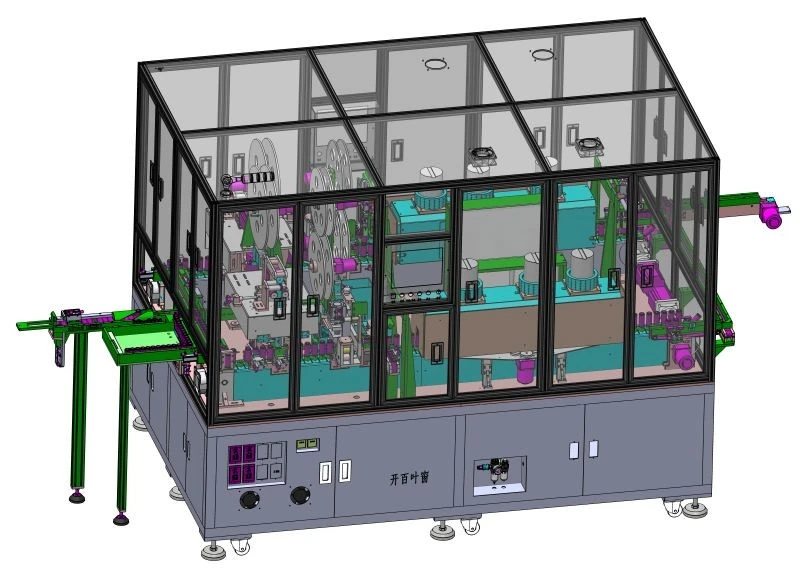
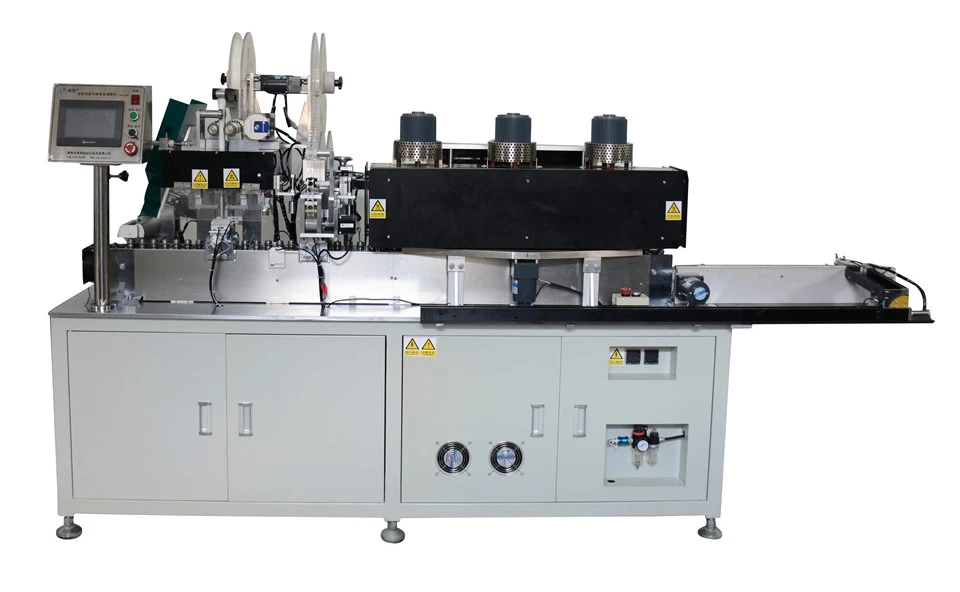
A cylindrical cell assembly machine is a specialized piece of equipment used to automate the production of cylindrical lithium-ion batteries. These batteries are commonly found in applications such as electric vehicles, consumer electronics, power tools, and energy storage systems. Cylindrical cell assembly machines streamline the battery production process, offering high precision and speed, which are critical for meeting the increasing demand for batteries in various industries.
Technical Parameters
|
Rated Voltage |
380V 50Hz |
|
Total Line Rated Power |
100KW |
|
Operating Air Pressure |
5-7kgf/cm² |
|
Applicable Models |
10/14/17/18/21/26/32 |
|
Production Efficiency |
60/100ppm/min |
|
Number of Operators |
3-5 Operators |
|
Overall Dimensions (The dimensions are for reference only and subject to the actual layout.) |
16000x1200x1850mm(LxWxH) Pre-injection process 25000x1550x1850mm(LxWxH) Post-injection process |
Key Features of Cylindrical Cell Assembly Machines
Cylindrical cell assembly machines are equipped with several advanced features designed to improve the efficiency, quality, and scalability of battery production. Here are some of the key features:
1. Automation for Efficiency
One of the standout features of cylindrical cell assembly machines is automation. By automating tasks such as cell assembly, electrode insertion, and electrolyte filling, these machines significantly reduce manual labor and improve consistency in the manufacturing process. This automation allows manufacturers to produce large quantities of cylindrical cells with minimal human intervention, resulting in faster production cycles.
2. Precision and Accuracy
Precision is crucial in battery manufacturing, where even the slightest error can compromise the performance and safety of the cell. Cylindrical cell assembly machines are designed with high-precision components to ensure that each part of the cell-such as the anode, cathode, separator, and electrolyte-is assembled to exact specifications. This accuracy ensures that each battery produced meets the required standards for voltage, capacity, and durability.
3. Modular Design for Flexibility
Many cylindrical cell assembly machines feature modular designs, allowing manufacturers to customize the machine based on their production needs. This flexibility enables manufacturers to scale up or down easily, depending on demand. Modular machines can also be reconfigured to accommodate different battery sizes or formats, providing manufacturers with the ability to diversify their product offerings.
4. Integrated Quality Control
Quality control is built into cylindrical cell assembly machines. These machines are equipped with sensors and testing systems that monitor every stage of production, from assembly to final testing. This continuous monitoring ensures that any issues-such as voltage inconsistencies or leakage-are detected early in the process, reducing the likelihood of defective products reaching the market.
How Cylindrical Cell Assembly Machines Work
Understanding how cylindrical cell assembly machines operate can help manufacturers appreciate the efficiency and precision these machines bring to the production process. Here's a step-by-step breakdown of the assembly process:
- Loading Components:
The process begins with the loading of the core components, including the anode, cathode, separator, and electrolyte. These materials are carefully aligned to ensure proper integration.
- Electrode Winding:
The anode and cathode materials are wound together in a cylindrical shape, forming the core of the cell. This step requires high precision to ensure that the winding is consistent and that there is no contamination between the layers.
- Separator Insertion:
A separator, typically a thin layer of polymer, is inserted between the anode and cathode to prevent short circuits and enhance battery safety.
- Electrolyte Filling:
The electrolyte is added into the cell to facilitate the flow of ions between the anode and cathode. This step requires careful monitoring to ensure the correct amount of electrolyte is added.
- Sealing and Final Testing:
After assembly, the cell is sealed, and final tests are conducted to check for voltage, capacity, and leakage. Cells that pass the tests are sent for packaging, while defective units are discarded or sent for rework.
Benefits for Manufacturers
Investing in cylindrical cell assembly machines offers several advantages for manufacturers, from increased production capacity to improved product quality. Here are the main benefits:
1. Increased Production Speed
Automation and precision allow cylindrical cell assembly machines to operate at high speeds, producing large volumes of batteries in a short time. This increased production speed is essential for meeting the growing demand for batteries in various industries, particularly the electric vehicle sector.
2. Improved Quality Control
With built-in quality control systems, these machines ensure that every battery produced meets strict quality standards. Continuous monitoring throughout the assembly process helps detect defects early, which reduces the risk of defective cells being shipped to customers.
3. Reduced Labor Costs
By automating much of the production process, manufacturers can reduce the need for manual labor. This not only lowers labor costs but also minimizes human error, which can lead to inconsistencies and defects in the final product.
4. Scalability and Flexibility
The modular design of cylindrical cell assembly machines allows manufacturers to scale production based on demand. Whether manufacturers need to ramp up production for a large order or switch between different cell sizes, these machines offer the flexibility to adjust to changing market needs.
5. Enhanced Competitiveness
In today's fast-paced market, being able to produce high-quality batteries quickly and cost-effectively is crucial for staying competitive. Cylindrical cell assembly machines enable manufacturers to keep up with demand, improve product quality, and reduce costs, all of which contribute to a stronger competitive position in the market.
Why Manufacturers Should Invest in Cylindrical Cell Assembly Machines
Investing in cylindrical cell assembly machines is an essential step for manufacturers looking to stay ahead in the highly competitive battery market. As demand for high-performance batteries continues to rise, especially in electric vehicles and renewable energy storage, these machines offer manufacturers a way to scale production while maintaining consistent quality. Furthermore, as the cost of these machines continues to decrease, their return on investment (ROI) becomes increasingly attractive, making them a sound investment for future growth.
Conclusion: The Future of Cylindrical Cell Assembly Machines
Looking ahead, cylindrical cell assembly machines will continue to evolve, incorporating advanced technologies such as artificial intelligence (AI) and the Internet of Things (IoT) to improve performance and reduce downtime. As sustainability becomes a more significant focus in manufacturing, future machines may also be designed to be more energy-efficient and environmentally friendly. For manufacturers, investing in these machines will not only streamline production but also position them to meet the growing global demand for high-performance, sustainable batteries.