

What are the monitoring parameters of a battery filling machine during operation?
As a leading supplier of Battery Filling Machine, I understand the critical importance of monitoring various parameters during the operation of these machines. Accurate monitoring ensures not only the high - quality production of batteries but also the safety and efficiency of the entire manufacturing process.
1. Liquid Level
One of the most fundamental parameters to monitor is the liquid level in the electrolyte tank. The electrolyte is a crucial component in battery production, and maintaining the correct level is essential. If the liquid level is too low, the filling process may not be able to provide the required amount of electrolyte to each battery cell, resulting in under - filled batteries. Under - filled batteries often have reduced performance and shorter lifespans.
Conversely, an excessively high liquid level can lead to spills during the filling process, which not only wastes the electrolyte but can also cause damage to the filling machine and other surrounding equipment. To monitor the liquid level, we typically use sensors such as ultrasonic sensors or float switches. These sensors send real - time data to the control system of the machine, allowing operators to take timely actions to adjust the liquid level.
2. Filling Volume
Precise control of the filling volume is of utmost importance. Each battery cell requires a specific amount of electrolyte to function optimally. Inaccurate filling volumes can lead to differences in battery performance and capacity among the produced cells. For example, over - filling can cause electrolyte leakage, which may corrode the battery housing and other components, and also pose a safety hazard.
We use high - precision volumetric pumps and flow meters to measure and control the filling volume. These devices are calibrated regularly to ensure accuracy. The control system continuously monitors the flow rate and the total volume filled into each cell. Any deviation from the set value will trigger an alarm, allowing operators to make adjustments immediately.
3. Pressure
Pressure monitoring is another key aspect. During the filling process, a certain pressure is required to ensure that the electrolyte can flow smoothly into the battery cells. If the pressure is too low, the filling speed may be slow, reducing the production efficiency. In addition, insufficient pressure may not be able to fill the electrolyte into all parts of the cell evenly.
On the other hand, excessive pressure can cause damage to the battery cells, such as cracking the cell housing or damaging the internal electrodes. Pressure sensors are installed at different points in the filling circuit, including at the pump outlet and near the filling nozzle. These sensors continuously monitor the pressure and send signals to the control system, which can adjust the pump speed or valve opening to maintain the appropriate pressure.
4. Temperature
The temperature of the electrolyte and the filling environment can have a significant impact on the quality of the filling process. When the electrolyte temperature is too low, its viscosity increases, which can slow down the filling speed and make it difficult to achieve uniform filling. In addition, low - temperature filling may also cause the electrolyte to crystallize, which can block the filling nozzles and pipes.

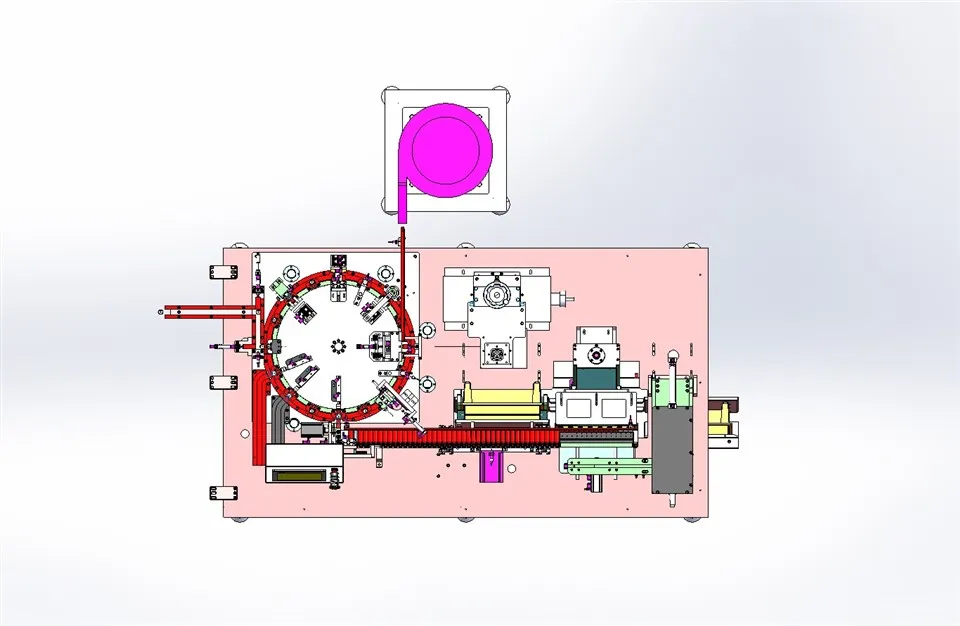
High temperatures, on the other hand, can accelerate chemical reactions in the electrolyte, leading to changes in its composition and properties. This can affect the performance and safety of the final battery products. We use temperature sensors in the electrolyte tank and in the surrounding environment to monitor the temperature. If the temperature deviates from the optimal range, the control system can activate heating or cooling devices to adjust the temperature.
5. Filling Time
The filling time for each battery cell must be carefully monitored. Consistent filling time ensures that each cell receives the correct amount of electrolyte and that the filling process is efficient. Abnormal filling times may indicate problems such as clogged nozzles, pump malfunctions, or incorrect pressure settings.
The control system records the start and end times of each filling cycle and calculates the total filling time. If the filling time is outside the pre - set range, an alarm will be triggered, prompting operators to check the machine and troubleshoot the issue.
6. Nozzle Condition
The condition of the filling nozzles is also an important monitoring parameter. Clogged or damaged nozzles can lead to uneven filling, splashing of the electrolyte, and reduced filling accuracy. We use vision systems or other inspection methods to monitor the condition of the nozzles.
For example, a vision system can detect blockages or damage on the nozzle surface by analyzing the image of the nozzle. If a problem is detected, the machine can automatically stop the filling process and prompt the operator to clean or replace the nozzle.
7. Machine Vibration
Excessive vibration during the operation of the battery filling machine can be a sign of mechanical problems, such as loose parts, misalignment, or bearing wear. Vibration sensors are installed on the machine frame to monitor the vibration level. If the vibration exceeds the normal range, it can cause damage to the machine components over time and also affect the accuracy of the filling process.
When abnormal vibration is detected, the control system can alert the operators, who can then conduct a detailed inspection of the machine and perform necessary maintenance or repairs.
In the context of a comprehensive battery manufacturing line, the battery filling machine works in conjunction with other important machines such as the Bottom Welded Spotting Grooving Machine With Insulating Pad and the Battery Cap Welding Machine. Monitoring the parameters of the battery filling machine ensures smooth operation of the entire production line, as any malfunction in the filling process can disrupt the subsequent assembly steps.
If you are in the battery manufacturing industry and are looking for high - quality battery filling machines and related equipment, we are here to provide you with professional solutions. Our machines are designed with advanced technology and high - precision components to ensure accurate and reliable performance. We offer comprehensive after - sales service and technical support to help you maintain the efficiency and quality of your production process. Contact our sales team to discuss your specific requirements and start a successful cooperation.
References
- Battery Manufacturing Technology Handbook.
- Fundamentals of Electrochemical Systems for Battery Production.