

Operating a battery filling machine in a high - humidity environment poses unique challenges that can significantly impact the machine's performance and the quality of the batteries produced. As a seasoned supplier of battery filling machines, I understand these challenges well and have gathered a wealth of knowledge on how to ensure the proper operation of these machines under such conditions.
Understanding the Impact of High Humidity on Battery Filling Machines
High humidity can have several detrimental effects on battery filling machines. Firstly, moisture in the air can cause corrosion of the machine's metal components. This corrosion not only weakens the structural integrity of the machine but can also lead to the contamination of the battery electrolyte. Corroded parts may shed small metal particles into the electrolyte, which can affect the battery's performance and lifespan.
Secondly, humidity can interfere with the electronic components of the machine. Moisture can cause short - circuits, malfunctions, and a decrease in the accuracy of sensors and control systems. For example, moisture on the surface of a sensor can lead to false readings, which can result in incorrect filling levels or improper dosing of the electrolyte.
Finally, high humidity can affect the viscosity of the electrolyte. As the humidity increases, the electrolyte may absorb moisture, changing its physical properties. This can lead to inconsistent filling, as the flow rate of the electrolyte through the filling nozzles may vary.
Environmental Control
One of the most effective ways to ensure the proper operation of a battery filling machine in a high - humidity environment is through environmental control. Installing a dehumidifier in the machine's operating area is a crucial step. A dehumidifier can maintain the relative humidity at an optimal level, typically between 30% and 50%. This range helps to prevent corrosion of metal parts and reduces the risk of moisture - related electronic malfunctions.
In addition to dehumidifiers, proper ventilation is also essential. Good ventilation helps to remove any excess moisture in the air and prevents the buildup of humidity around the machine. It is recommended to design the ventilation system to ensure a continuous flow of fresh, dry air through the operating area.
Machine Maintenance
Regular maintenance is key to keeping the battery filling machine running smoothly in a high - humidity environment. The machine should be inspected frequently for signs of corrosion. Any corroded parts should be replaced immediately to prevent further damage.
The electronic components of the machine also require special attention. They should be cleaned regularly to remove any moisture or dust that may have accumulated. Additionally, it is advisable to use moisture - resistant coatings on sensitive electronic parts to provide an extra layer of protection.
The filling nozzles are another critical component that needs to be maintained. They should be cleaned regularly to prevent clogging, which can be caused by the accumulation of electrolyte residue or moisture - induced deposits. A clogged nozzle can lead to uneven filling and affect the quality of the batteries.
Electrolyte Management
Proper electrolyte management is essential in a high - humidity environment. The electrolyte should be stored in a sealed container to prevent it from absorbing moisture from the air. Before filling, the electrolyte should be tested to ensure its viscosity and chemical properties are within the acceptable range.
It may also be necessary to adjust the filling parameters based on the humidity levels. For example, if the electrolyte has absorbed moisture and its viscosity has increased, the filling pressure may need to be adjusted to ensure a consistent flow rate.
Training and Staff Awareness
The operators of the battery filling machine play a crucial role in its proper operation. They should be trained to recognize the signs of humidity - related problems and know how to take appropriate action. For example, they should be able to identify when the machine's performance is affected by high humidity and when to adjust the environmental controls or maintenance procedures.
Staff awareness programs can also be implemented to ensure that all employees understand the importance of maintaining a low - humidity environment around the machine. This can include providing guidelines on proper ventilation and the use of dehumidifiers.
Complementary Equipment
In addition to the battery filling machine, other equipment can also be used to enhance the overall battery manufacturing process. For instance, the Tab Cleaning and Cap Welding Machine is an important part of the cylindrical cell assembly process. It ensures that the tabs are clean and properly welded to the battery caps, which is crucial for the battery's electrical performance.
The Battery Sealing Machine is another essential piece of equipment. It seals the battery cells to prevent electrolyte leakage and protect the internal components from environmental factors, including humidity.
The Battery Cap Welding Machine is used to weld the battery caps securely to the cells. A proper weld ensures the structural integrity of the battery and helps to maintain its performance over time.
Conclusion
Ensuring the proper operation of a battery filling machine in a high - humidity environment requires a comprehensive approach that includes environmental control, regular maintenance, proper electrolyte management, and staff training. By implementing these strategies, you can minimize the negative effects of high humidity on the machine and produce high - quality batteries consistently.

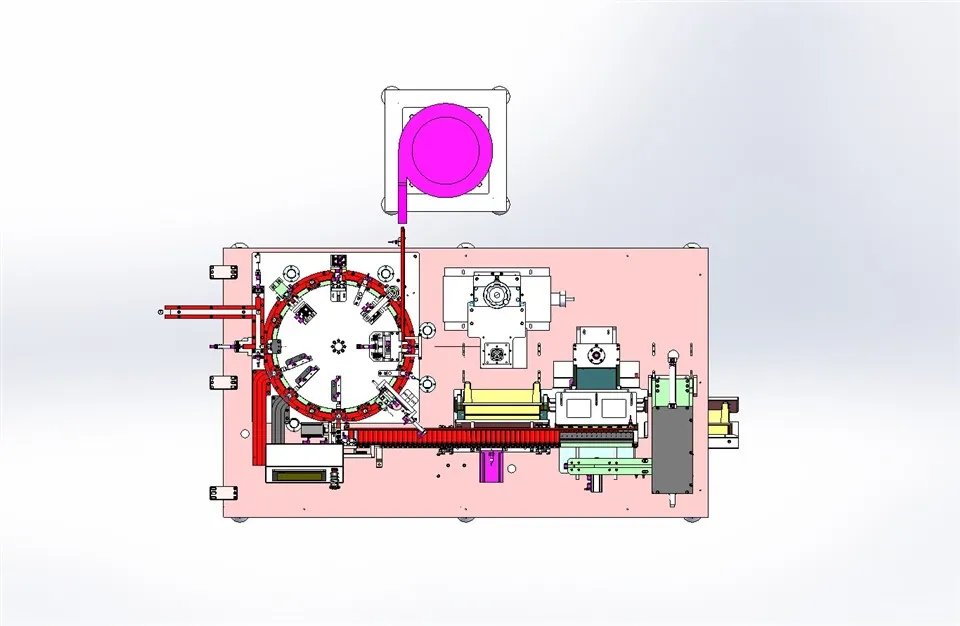
If you are in the market for a reliable battery filling machine or any of the complementary equipment mentioned above, we are here to help. Our team of experts can provide you with the best solutions tailored to your specific needs. Whether you are a small - scale battery manufacturer or a large - scale production facility, we have the experience and expertise to support your operations. Contact us today to start a discussion about your battery manufacturing requirements and how our equipment can benefit your business.
References
- Smith, J. (2020). "The Impact of Environmental Conditions on Battery Manufacturing Equipment." Journal of Battery Technology, 15(2), 78 - 85.
- Johnson, A. (2019). "Maintenance Strategies for Battery Filling Machines in Harsh Environments." Industrial Equipment Maintenance Review, 22(3), 45 - 52.
- Brown, C. (2021). "Electrolyte Management in High - Humidity Battery Manufacturing." Battery Science and Engineering, 18(4), 112 - 120.